%201.svg)

SEAL Resources
Dive into our curated collection of resources—from research to hands-on practices to engaging educational videos—brought to you by SEAL’s experts. Uncover innovative strategies and insights for how to support Multilingual Learners, and all students, in the classroom.
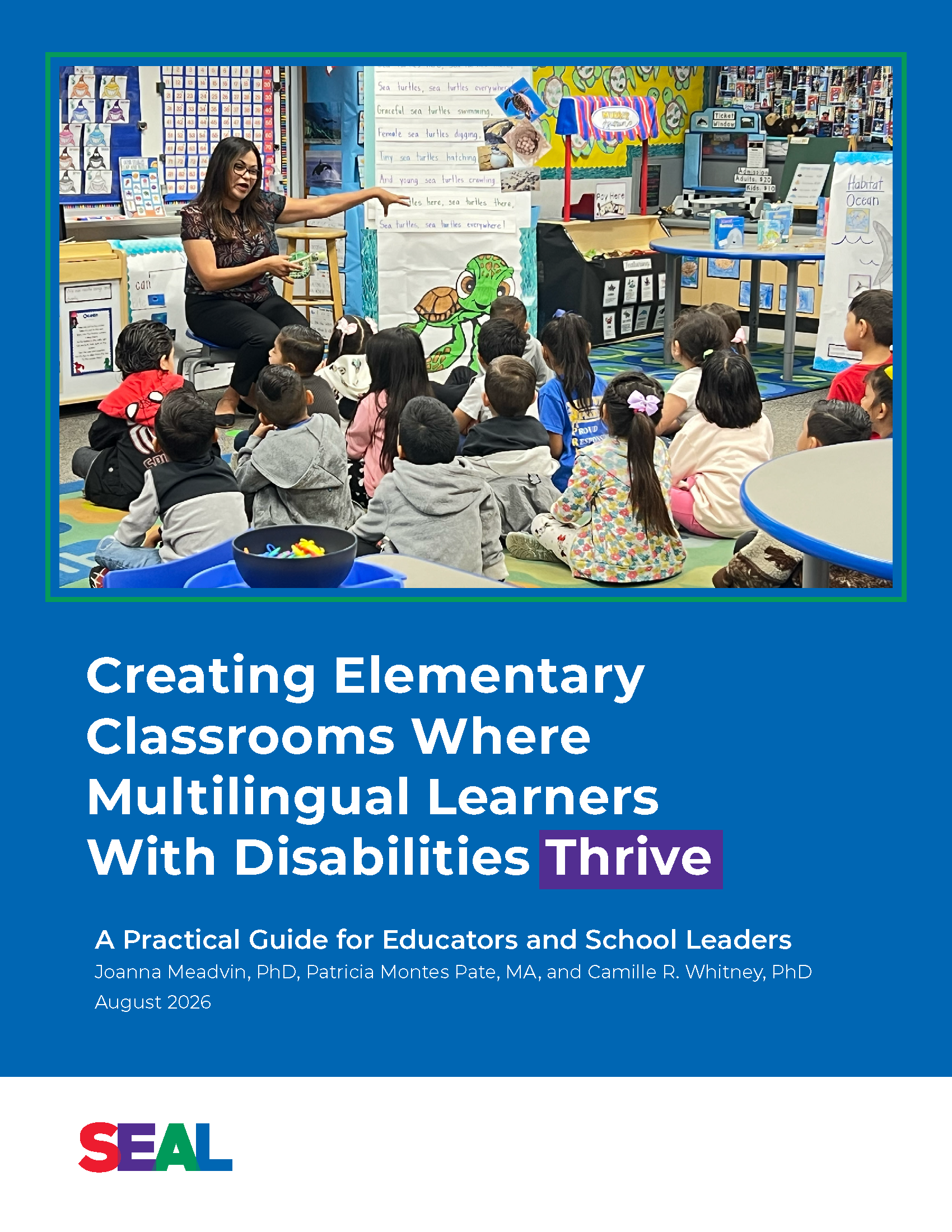
Creating Elementary Classrooms Where Multilingual Learners With Disabilities Thrive
SEAL’s practical, research-informed guide offers educators and school leaders strategies to strengthen instruction and support for multilingual learners with disabilities.
Creating Elementary Classrooms Where Multilingual Learners With Disabilities Thrive
SEAL’s practical, research-informed guide offers educators and school leaders strategies to strengthen instruction and support for multilingual learners with disabilities.
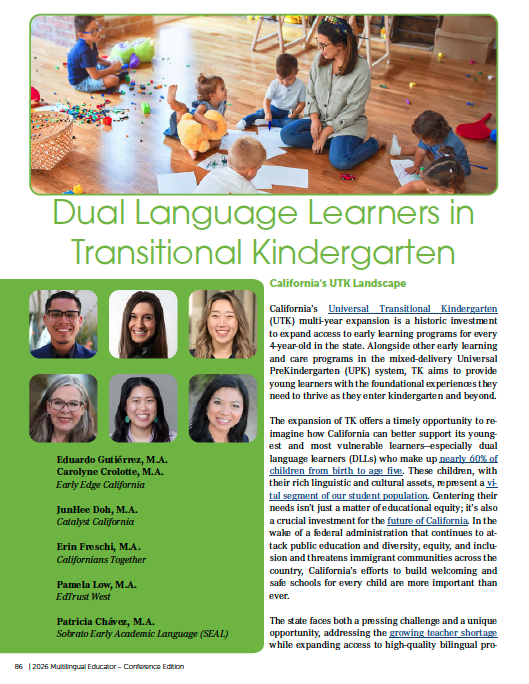
Dual Language Learners in Transitional Kindergarten
California’s Universal Transitional Kindergarten (UTK) multi-year expansion is a historic investment to expand access to early learning programs for every 4-year-old in the state. Alongside other early learning and care programs in the mixed-delivery Universal PreKindergarten (UPK) system, TK aims to provide young learners with the foundational experiences they need to thrive as they enter kindergarten and beyond. The following article showcases the impactful work taking place across California school districts—from university partnerships that support bilingual TK educators to the growth of dual language immersion (DLI) programs, and the creation of inclusive, welcoming environments for all children.
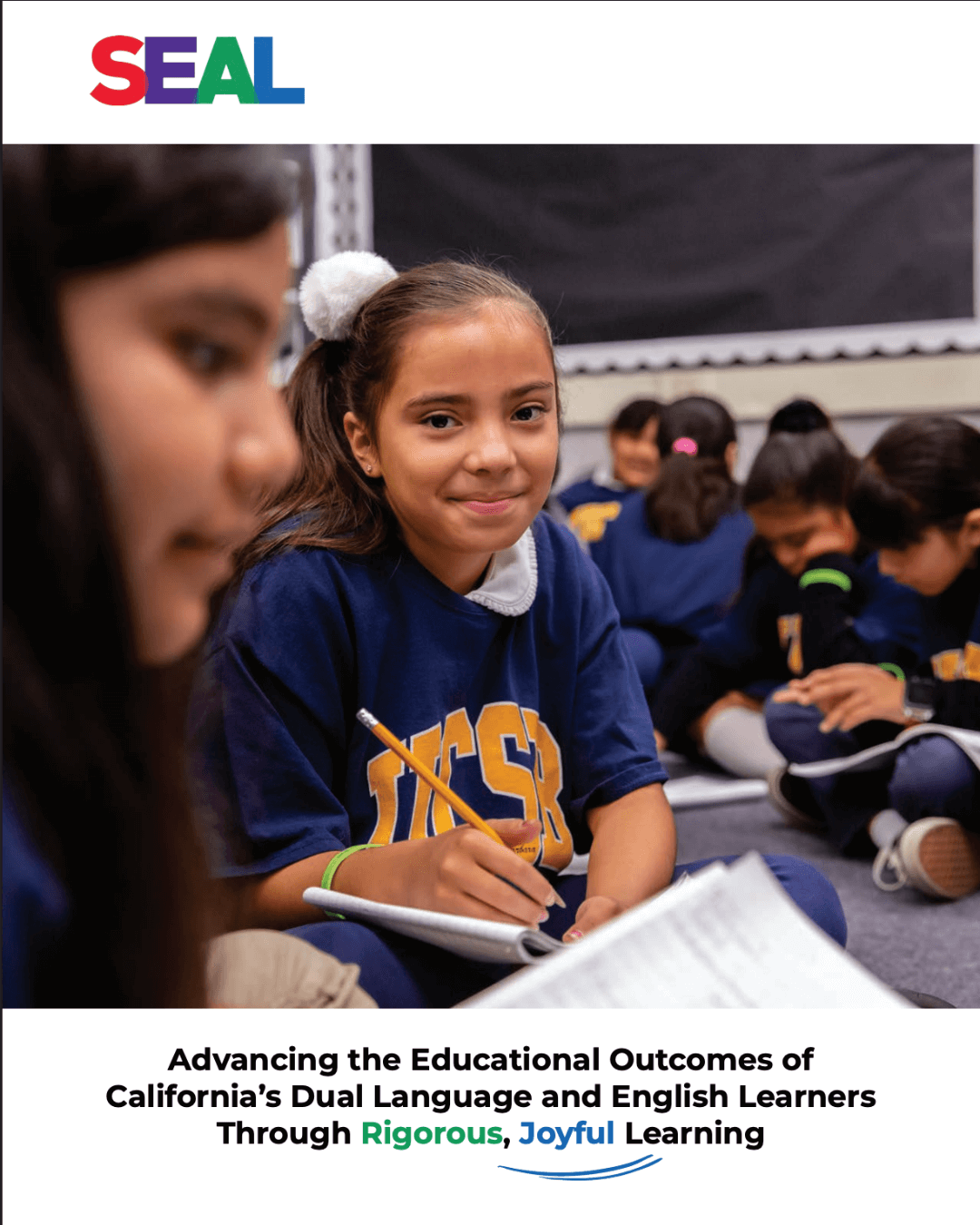
SEAL Overview Impact Report
SEAL’s Overview Impact Report showcases our mission, reach, and lasting influence on multilingual learners. Explore our story, see our statewide impact, learn how our pedagogy centers English Learners, and discover key lessons from our work with schools and communities.
%20copy.png)
Key Lessons from Over a Decade of Impact
When schools center language, culture, and community, English Learners don’t just succeed—they thrive. We’ve identified eight key lessons about what it truly takes to create schools where multilingual learners flourish. Download to read more about these key lessons.
SEAL Videos

Bilingual/Dual Language Education
Benefits and research behind bilingual and dual language education.
Asi se Dice - That's how you say it - Bilingual 2nd + 3rd Grade Classroom
Bilingual students in grades 3 & up engaged in working collaboratively in/across Spanish/English.
Affirming Language, Culture, & Identity
Children in early learning learn/develop best where they feel safe and a sense of belonging.
A Dual Language Preschool Classroom
Integrated thematic “Pumpkins & Harvest” unit in a “balanced” dual language preschool class.
SEAL Across Grades: UpperGrades
We'll discuss strategies to sustain gains and prepare students for complex tasks ahead in grades 4 - 6.
SEAL Across Grades: K to 3rd Grade
Visit a SEAL class to learn more about the SEAL approach to building literacy skills.
SEAL Partner Resources
Access resources from SEAL partners to support your students in the classroom and at home.

The Economic Benefits of Multilingual Learning
A report by the Bay Area Council Economic Institute explores multilingual learning among California’s youngest children and highlights benefits that improve educational outcomes, boost household incomes, and give California companies the edge needed to compete on the world stage.
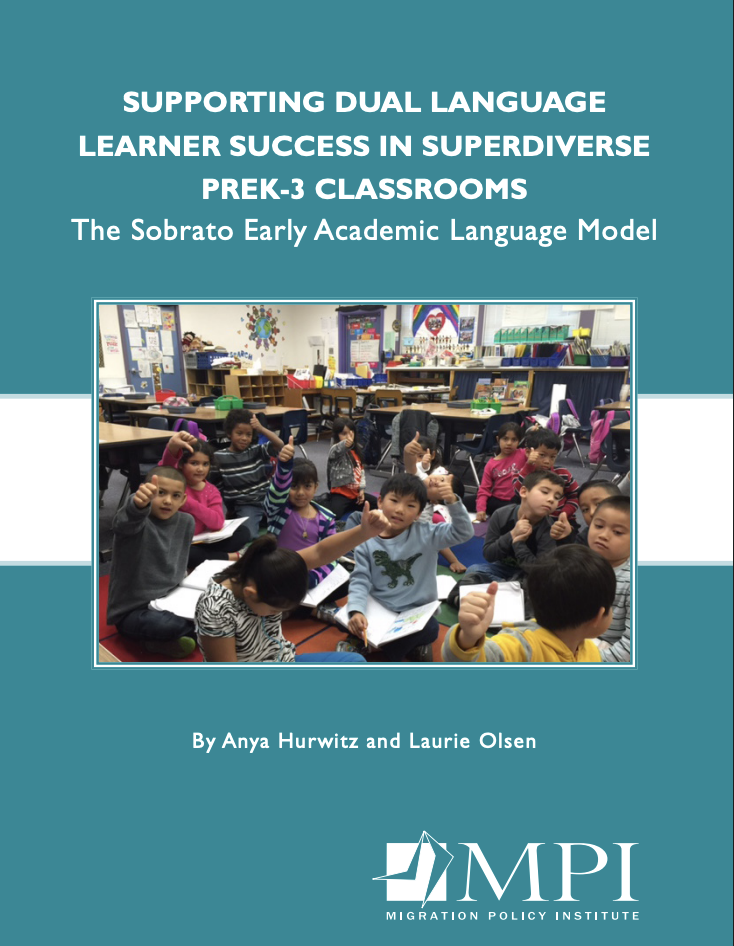
SEAL + Migration Policy Institute: Supporting Dual Language Learner Success in Superdiverse PreK-3 Classrooms: The Sobrato Early Academic Language Model
This report focuses on the Sobrato Early Academic English (SEAL) Model, a well-regarded approach to preK-3 professional development that was piloted in 2008 and has since been used in more than 100 programs and schools in California. It aims to provide DLLs with language-intensive support integrated throughout the curriculum, in and through academic content.
.png)
Reparable Harm: Fulfilling the Unkept Promise of Educational Opportunity for California’s Long Term English Learners
Laurie Olsen, Ph.D., has worked with hundreds of teams of district and school leadership and county offices of education across California

CABE 2019 Edition: Multilingual Educator
SEAL’s Approach to Building Teacher Capacity to Support English Learners
